
In the Ifá tradition, Shango (also spelled Sango) governs oaths, spoken promises, and justice connected to our words. His authority ensures that commitments, declarations, and verbal agreements are honored, creating balance where careless speech could lead to conflict. In this guide, we explore how Shango enforces accountability, restores order, and teaches integrity through disciplined speech.

Why Shango’s Guidance in Oaths Matters
Shango’s guidance ensures accountability when our words create obligations. Broken promises, exaggerated claims, or careless declarations can cause conflict, legal issues, and imbalance. Shango’s influence helps prevent these problems by aligning speech with action.
- Verbal agreements are honored and taken seriously
- Promises are made thoughtfully and intentionally
- Commitments are corrected before conflicts escalate
Ignoring Shango’s authority can lead to broken trust, disputes, and repeated challenges. By following his guidance, your words reflect integrity and justice.
- Why Shango’s Guidance in Oaths Matters
- Connecting with Shango’s Energy
- Shango’s Authority in Oaths and Justice
- Shango vs Ogun: Key Differences
- How Shango’s Energy Manifests Daily
- The Four Pathways of Transformation with Shango
- Honoring Shango Through Ritual Sacrifices
- Connecting Through Shango’s Sacred Ide
- Alignment Through Sacred Icons
- Initiation into Shango’s Mysteries
- Walking the Path of Shango
- Key Takeaways: Shango and Oaths
- Frequently Asked Questions About Shango
Connecting with Shango’s Energy
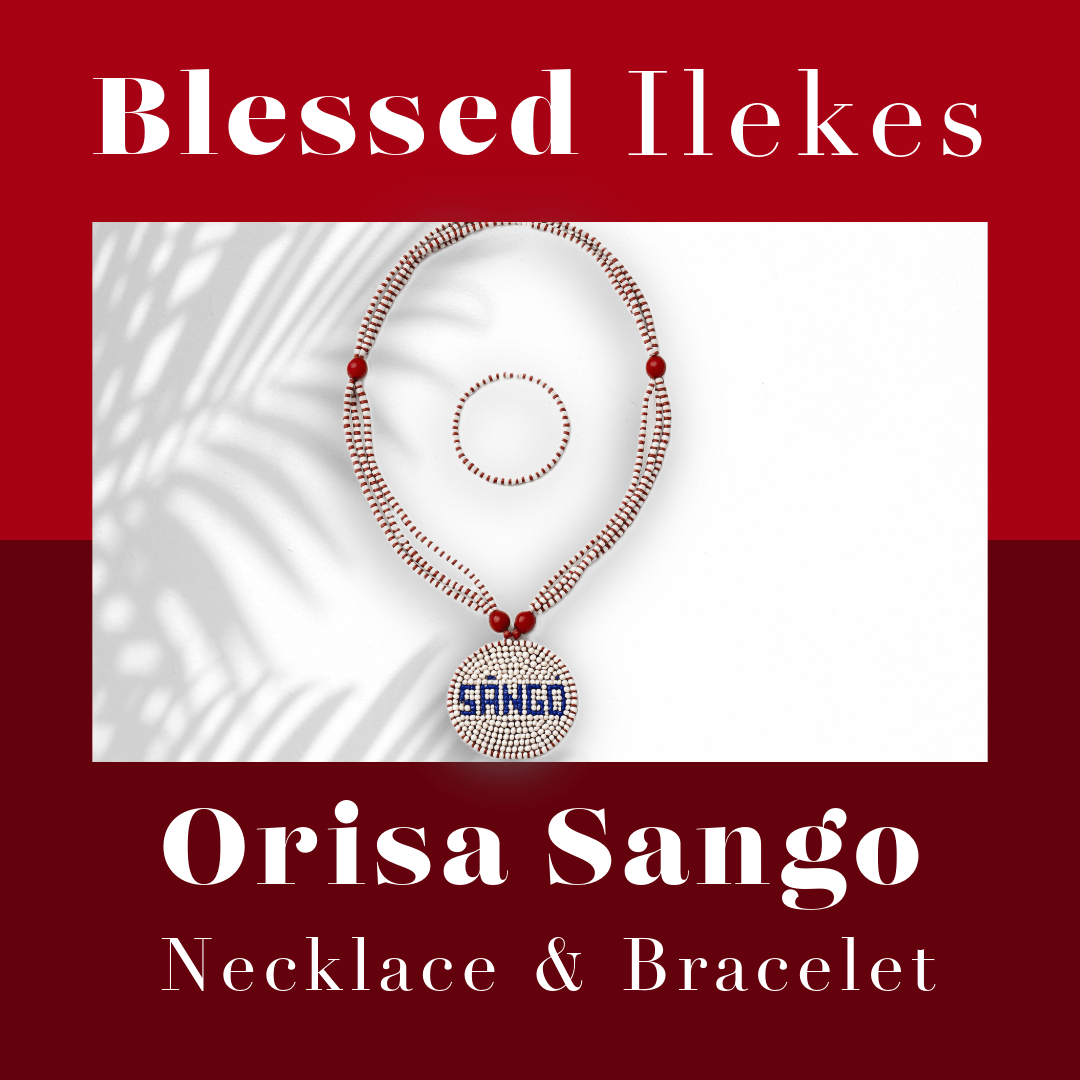
Shango embodies courage, leadership, and the fire of divine justice. Wearing consecrated Ileke beads helps you channel these qualities, fostering:
- Confidence: Express your power and self-assurance
- Courage: Face challenges boldly
- Leadership: Command respect and authority
- Victory: Achieve success in personal and professional battles
Shango’s Authority in Oaths and Justice
Shango enforces consequences for broken promises, careless speech, and unfulfilled commitments. While other Orishas like Esu oversee communication and Obatala governs discipline, Shango corrects imbalance caused by misuse of words.
- Accountability: Verbal agreements are taken seriously and enforced
- Justice in Leadership: Authority expressed through speech is corrected when misused
- Consequences: Broken promises trigger realignment and corrective outcomes
- Discipline in Speech: Encourages deliberate, responsible communication
Shango vs Ogun: Key Differences
Both Shango and Ogun are powerful warrior Orishas, but their roles differ:
- Shango: Governs justice, correction, and the consequences of broken obligations
- Ogun: Oversees discipline, hard work, and the execution of responsibilities
In essence, Shango restores balance when obligations are violated, while Ogun ensures we fulfill our responsibilities through action.

How Shango’s Energy Manifests Daily
People connected to Shango often notice that careless speech or impulsive promises lead to conflicts and obligations they did not intend. Engaging with Shango’s energy through rituals, offerings, and sacred symbols brings clarity, intentionality, and order. Promises are made thoughtfully, obligations are honored, and disputes decrease.
The Four Pathways of Transformation with Shango
Shango’s influence strengthens through traditional practice, providing four key pathways to restore balance and discipline in speech and commitments.
Honoring Shango Through Ritual Sacrifices
Ritual offerings (ebo) correct imbalances caused by broken oaths and unfulfilled promises. Performed by trained practitioners, these offerings realign individuals with Shango’s authority and restore harmony.
Connecting Through Shango’s Sacred Ide
Wearing consecrated ide beads reinforces intentional speech, discipline, and accountability. This daily connection serves as a reminder to honor one’s word.
Alignment Through Sacred Icons
Sacred Shango icons maintain awareness of justice and accountability in personal and professional spaces, helping prevent recurring disputes or unresolved obligations.
Initiation into Shango’s Mysteries
Initiation deepens your connection with Shango, placing you under his direct guidance. This strengthens the discipline needed to uphold commitments, correct past mistakes, and honor one’s speech.
Walking the Path of Shango
Walking Shango’s path requires integrity and careful speech. Choosing words wisely, honoring promises, and correcting mistakes maintain balance and align you with Shango’s justice and authority.
Key Takeaways: Shango and Oaths
- Shango ensures accountability in spoken promises and oaths
- Broken promises trigger consequences that restore balance
- Shango focuses on justice, Ogun emphasizes disciplined action
- Rituals, offerings, and sacred symbols strengthen connection with Shango
Frequently Asked Questions About Shango
- Does Shango govern spoken promises as seriously as written agreements? Yes, verbal oaths are binding within the Ifá tradition.
- What happens when a verbal oath is broken? Shango restores balance through accountability and corrective actions.
- Are casual promises still binding? Yes, careless speech can create obligations if others rely on it.
- How does Shango restore balance? Through acknowledgment of the offense and steps to correct it, ensuring harmony is restored.
See List of Orishas: A Guide to the Powers of Yoruba Gods
Get the latest insights on Shango, Sango, and Yoruba spirituality delivered directly to your inbox from ConsultIfa.com.