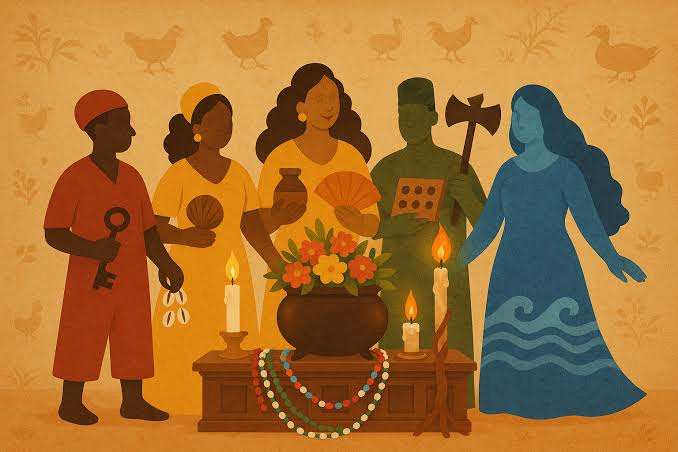
Orun (also known as Oro) is a powerful and mysterious orisha in the Yoruba religion. He represents the sacred connection between life and death and serves as the guardian of the spiritual realm. In Yoruba cosmology, Orun governs the transition of souls from the earthly plane (Ayé) to the spiritual heaven (Orun). As an ancestral male deity, he is feared and respected, associated with justice, moral order, and the custody of ancestral secrets. His worship remains profound, restricted, and surrounded by sacred mystery both in West Africa and in the diaspora.
Origin and Role Within the Yoruba Pantheon
Orun/Oro is described in traditional Yoruba belief as the first male ancestor – the first man to die – who, through death, became ruler of the world of the dead. In this role, he acts as intermediary between the living and the ancestors, maintaining balance between Ayé (the physical world) and Orun (the spiritual realm).
He is considered the supreme judge of the dead. When a person dies, Orun determines whether the spirit peacefully enters the spiritual realm or remains wandering. He is also believed to grant children or withdraw life according to destiny (ayanmo). In traditional Yoruba society, his cult is closely linked to justice, social order, and moral protection.
- Origin and Role Within the Yoruba Pantheon
- Orun as the Spiritual Heaven in Yoruba Cosmology
- Attributes, Symbols, and Offerings
- The Cult of Oro in Africa: Secret Society and Ancestral Authority
- Myths and Sacred Stories (Pataki) About Oro
- Orun in the Diaspora: The Secret Foundation Among Babalawos
- Relationship Between Orun (Orisha) and Orun (Spiritual Realm)
- African and Afro-Cuban Tradition Compared
- Frequently Asked Questions About Orun (Oro)
- Conclusion: Understanding Orun in Yoruba Spirituality
Orun as the Spiritual Heaven in Yoruba Cosmology
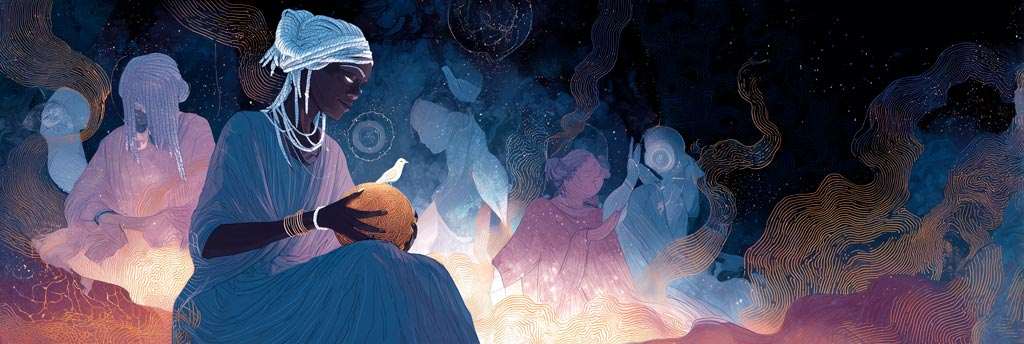
In Yoruba philosophy, the word Orun does not only refer to the orisha but also to the higher spiritual dimension of existence — the invisible heaven where Olodumare (the Supreme God), the orishas, and the Egungun (ancestral spirits) reside.
Before birth, every human being chooses a destiny in Orun prior to incarnating on Earth. Upon death, the soul returns to Orun to be judged and reintegrated among the ancestors. Rituals of Ifa divination, ancestral veneration, and respect for elders are all intended to maintain harmony between these two realms.
Orun is symbolically divided into:
- Orun Rere – The good heaven, where righteous souls dwell.
- Orun Buruku – The darker spiritual realm, where troubled or restless spirits remain.
This dual understanding emphasizes that proper rituals and spiritual alignment are necessary to ensure peaceful transition after death.
Attributes, Symbols, and Offerings
- Colors: Black (dominant), sometimes combined with white.
- Number: 9 (symbolizing completion and rebirth).
- Sacred Tools: Wooden bullroarer (representing his voice), skull-topped staff (pagugu), machete, and a special Elegua.
- Offerings: Akara (bean fritters), yam, palm wine, roosters, rams.
- Symbolic Day: Friday.
The Cult of Oro in Africa: Secret Society and Ancestral Authority
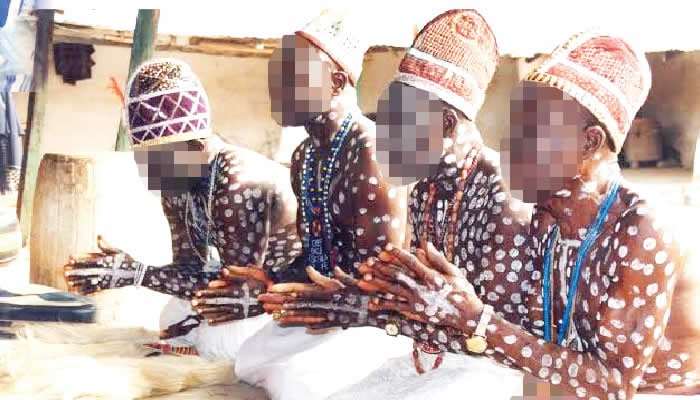
In Nigeria, the cult of Oro is traditionally restricted to initiated men and operates as a sacred secret society. During Oro festivals, women are required to remain indoors. The presence of Oro is announced by the sound of a sacred wooden bullroarer, believed to be his spiritual voice.
Historically, members of the Oro society enforced community justice under the authority of elders. Spiritually, Oro is invoked to cleanse negative forces, punish transgressions, protect the innocent, and restore moral balance. Violations of taboos, especially those concerning loyalty and ancestral respect, were believed to bring severe consequences.
Myths and Sacred Stories (Pataki) About Oro
One traditional story recounts that when the first man died, the orishas did not know what to do with his body. Olodumare then created Oro to guide the spirit safely into Orun. From that moment, Oro became guardian of the passage between worlds.
Another myth tells of a woman who defied the restriction during an Oro festival. Despite being warned, she left her house and witnessed the manifestation. The event reinforced the strict sacred boundaries surrounding Oro’s rituals and the seriousness of his worship.
Orun in the Diaspora: The Secret Foundation Among Babalawos
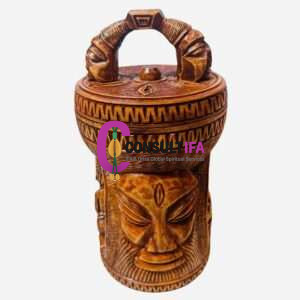
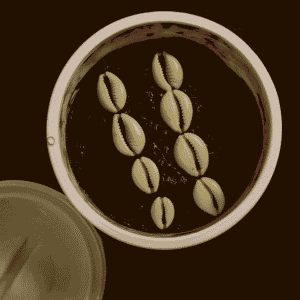
In Afro-Cuban tradition, Orun is preserved in a more private and esoteric form within Ifa priesthood. Certain initiated men may receive the sacred “foundation of Orun,” typically represented by a sealed black vessel containing ritual elements and ancestral symbols.
This spiritual foundation allows the initiate to strengthen protection against spiritual attacks, assist in funeral rites, and maintain communication with ancestral forces. In the diaspora, what was once a communal institution in Africa became a guarded priestly mystery within Ifa lineages.
Relationship Between Orun (Orisha) and Orun (Spiritual Realm)
Although they share the same name, there is a distinction:
- Orun (spiritual heaven) – The divine realm where the orishas and ancestors dwell.
- Orun/Oro (orisha) – The guardian and ruler who governs access to that realm.
In this sense, Orun represents both the kingdom and its gatekeeper. While Oya is associated with the cemetery gates, Orun receives and integrates the soul within the spiritual plane.
African and Afro-Cuban Tradition Compared
| Aspect | African Tradition (Nigeria) | Afro-Cuban Tradition |
|---|---|---|
| Nature of Worship | Communal, judicial authority | Esoteric, priestly foundation |
| Female Participation | Strictly prohibited | Restricted within priesthood structure |
| Ritual Expression | Public manifestation (voice of Oro) | Private ceremonial foundation |
| Main Tool | Wooden bullroarer | Sealed ritual vessel with sacred elements |
| Primary Function | Justice, purification, royal funerary rites | Spiritual protection, ancestral mediation |
Frequently Asked Questions About Orun (Oro)
Are Orun and Oro the same orisha?
Yes. Oro is the traditional African name, while Orun is more commonly used in the diaspora. The word “Orun” also means spiritual heaven.
Can women receive Orun?
Traditionally, the cult of Oro is reserved exclusively for initiated men.
What does the foundation of Orun represent?
It symbolizes a sacred connection to ancestral forces and the spiritual realm of the dead.
Conclusion: Understanding Orun in Yoruba Spirituality
Orun (Oro) remains one of the most profound and guarded figures in Yoruba spirituality. He embodies the sacred bridge between life and death, between the visible and invisible worlds. In Africa, his cult carried social and judicial authority. In the diaspora, his mysteries were preserved within Ifa priesthood traditions.
To understand Orun is to understand the deeper Yoruba worldview …where death is not an end, but a transition, and where spiritual balance depends on respect for destiny, ancestors, and divine order.